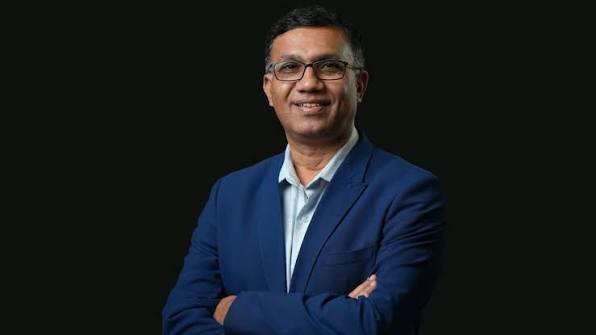

The Asian Institute of Diplomacy and International Affairs (AIDIA), in collaboration with the IN-SPAN Center of Excellence and with the support of the Embassy of India, Kathmandu, organized the inaugural edition of Beyond Boundaries, a monthly town hall platform connecting entrepreneurs, investors, innovators, policymakers, and industry leaders, on 31 July 2026 in Kathmandu. The event featured Mr. Guruprasad Mudlapur, President of the Bosch Group in India and Managing Director of Bosch Limited, as the keynote speaker, addressing the theme “From Startup to Scale-up: Building World-Class Companies.”
The keynote address was delivered by Mr. Guruprasad Mudlapur, President of the Bosch Group in India and Managing Director of Bosch Limited, on the topic “From Startup to Scale-up: Building World-Class Companies” Drawing on decades of experience at Bosch and the real-world case study of SunMobility a Bosch-invested startup that survived near-collapse during COVID to reach a valuation of nearly half a billion dollars Mr. Mudlapur offered a structured framework for scaling ventures, emphasising the primacy of core intellectual property, the necessity of moving from enthusiasm-driven execution to structured gating processes, and the critical role of delegation and people assessment at each growth phase.
The question-and-answer session with participants, moderated by Mr. Dilip Bhattarai, featured seven substantive questions from entrepreneurs across manufacturing, aerospace, AI and healthcare hardware, IoT, fintech, and natural products. Key themes that emerged included: the importance of overcoming self-imposed mental boundaries in his words handicapped thinking, the irrelevance of geographic location when core IP and unit economics are strong, the accessibility of India’s startup ecosystem as a springboard for Nepali ventures, and the openness of Bosch’s published search fields to startups irrespective of geography.
Despite a rainy Kathmandu evening, attendance remained strong and the discussion was vibrant, confirming both the demand for such a platform and the resonance of its founding premise: that the most important boundaries to transcend are not national borders but the self-imposed limits on what can be built from Nepal.